How to reduce abandonment during a financial application
Reducing abandonment requires identifying states, intent and the real ability to continue before triggering recovery. Recovery only helps when it reaches applicants who can actually finish, not everyone who stalled.
Written for: Digital business, product, acquisition, operations, risk, CX and technology leaders in financial services.

Reducing abandonment requires identifying states, intent and the real ability to continue before triggering recovery.
The business problem behind the topic
Abandonment combines very different causes: ineligibility, comparison, distrust, documentation, errors, deliberate pause or decline. Treating every abandonment as a copy or remarketing problem can worsen the experience. In service businesses, the decision does not end when a customer clicks “buy”: the digital promise must connect with operations, service delivery, data and profitability. This is why the topic should be treated as a business decision rather than an isolated marketing or technology enhancement.
The dimensions that need to be resolved
A sound approach combines four dimensions. Reviewing them separately helps expose friction; managing them as a system allows the direct channel to grow without transferring complexity to customers or the organization.
1. Definition and diagnosis
Separate exit, timeout, failure, ineligible, declined, pending and completed elsewhere. Analyse stage, device, source, product, segment and time to return. Assessment should be segmented by product, customer state, eligibility and complexity within applicable policies. An average can mix journeys with very different needs and risks.
2. Effort and clarity
Review fields, documents, language, progress, requirements, cost and consequences. Uncertainty can create more abandonment than length. The decision should be expressed through clear information, understandable options and a proportionate next step. Reducing friction does not mean hiding relevant terms or consequences.
3. Save, resume and assistance
Persist progress securely, allow device switching, offer contextual help and retain a human path for exceptions. Identity, verification, decisioning, evidence, signature and exception handling need to be connected. Controls should form part of the journey rather than appear as opaque interruptions.
4. Responsible recovery
Contact only when permission, utility and a possible action exist. Adapt timing, channel, frequency and content to the real state, avoiding pressure on ineligible or declined customers. Governance should bring together business, product, risk, compliance, operations and technology through shared outcomes and guardrails. Conversion alone does not represent relationship quality.
A practical roadmap
Sequence matters. Starting with a tool or a feature list usually creates an expensive project that is difficult to govern. The following roadmap forces the business decisions first and the implementation second.
1. Build an abandonment taxonomy. Assign observable causes and unknown with clear rules.
2. Prioritise valuable stages. Combine volume, recoverability, risk and economic impact.
3. Resolve root causes. Fix errors, requirements, documents and providers before messaging.
4. Design recovery paths. Create resume links, checklists, support and expiry.
5. Measure causally. Use holdouts and control adverse outcomes.
How to measure whether it works
A useful dashboard does not accumulate indicators: it connects behaviour, economics and execution. Metrics should be reviewed by segment, device, market and journey stage so that averages do not hide the actual problem.
Stage abandonment: Exits by state over eligible entries.
Recoverable abandonment: Cases with the ability and permission to continue.
Resume success: Resumed applications reaching valid activation.
Time to recovery: Time between exit, return and completion.
Recovery quality: Fraud, complaints, arrears or support among recovered cases.
Common mistakes that reduce impact
Sending the same sequence to every incomplete application.
Recovering a broken journey without fixing its cause.
Including declined or ineligible cases in commercial automations.
Celebrating completion without controlling subsequent quality.
The warning sign is simple: if the project can be described only by the name of a platform, a campaign or a redesign, it is probably not yet sufficiently connected to the business outcome.
Conclusion
Abandonment should become a diagnostic system. Recovery creates value when it helps complete a possible and suitable decision, not when it increases pressure on anyone who left a form.
Consumer Services Hub designs digital financial journeys that balance conversion, trust, compliance and operational efficiency.
Consumer Services Hub - Strategic ecommerce consultancy for B2C service companies
Written by
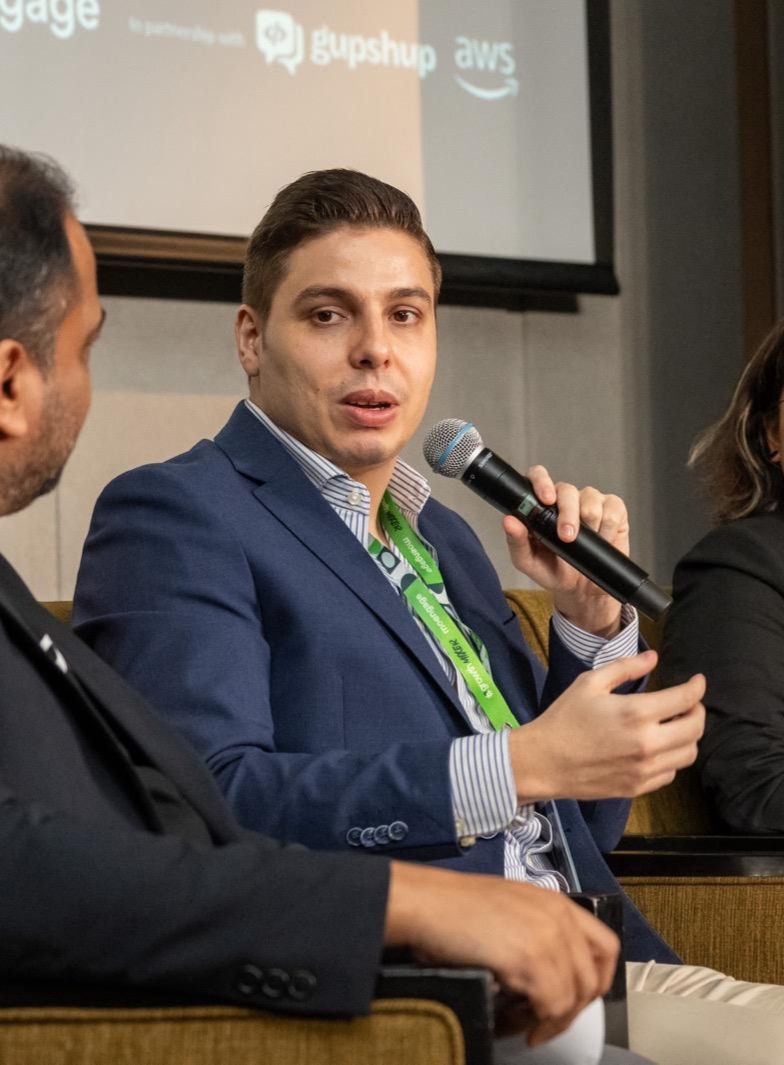
Rodrigo Maroto
Founder of Consumer Services Hub. Consultant and strategist with 15+ years of experience in ecommerce, digital product management, and consumer services.
View LinkedIn profileOptimise digital acquisition
Application funnels, onboarding and compliance without losing conversion.
Talk to usWhether you're launching a new digital channel, optimizing an existing one, or unlocking the next stage of growth — we're ready to help.
Related articles

How to measure a financial application funnel
Measurement should represent the real state machine and separate intent, ability to continue, decision and activation. A funnel report that can't tell a stalled applicant from an uninterested one won't fix either problem.
How to select technology for a direct financial channel
Selection should start from journeys, control requirements and target architecture, and prove how every exception will be operated. The exceptions are where most financial-channel technology projects actually fail, not in the happy path demo.

Cross-selling strategies in financial services
Sustainable cross-selling starts from an observable need and optimises long-term customer value, not immediate response. A product sold before the need is real usually comes back as a complaint, not a relationship.