How to restore guest recurrence and reduce OTA dependency
Strategy should turn every stay into recognition, permission, value and a concrete reason to return direct. A guest who checks out unrecognised has no reason to skip the OTA next time.
Written for: Hotel and group ecommerce, distribution, revenue, marketing, CRM and digital product leaders.
Strategy should turn every stay into recognition, permission, value and a concrete reason to return direct.
The business problem behind the topic
Many hotels know the guest during the stay but buy them again through an intermediary. Dependency is not reduced by blocking OTAs, but by creating a relationship and direct proposition worth repeating. In service businesses, the decision does not end when a customer clicks “buy”: the digital promise must connect with operations, service delivery, data and profitability. This is why the topic should be treated as a business decision rather than an isolated marketing or technology enhancement.
The dimensions that need to be resolved
A sound approach combines four dimensions. Reviewing them separately helps expose friction; managing them as a system allows the direct channel to grow without transferring complexity to customers or the organization.
1. Capture and recognition
Link booker, guest, stay and preferences transparently regardless of source channel. The analysis should be segmented by property, market, stay purpose, device and lead time. Demand mix can explain changes that an aggregate rate would wrongly attribute to experience.
2. Experience and post-stay proposition
Deliver value during the stay and communicate future benefits based on the relationship, not only promotions. The proposition should become understandable rooms, rates, benefits, content and reassurance. Guests need to know why they should book direct and what they will receive during the stay.
3. Recurrence journeys
Design welcome, pre-stay, in-stay, post-stay, anniversary, destination and win-back journeys by behaviour. The website, booking engine, CRS, PMS, payments, CRM, contact centre and reception should be mapped together. Many digital frictions originate in codes, rules or processes outside the screen.
4. Channel and portfolio economics
Prioritise high-potential cohorts, measure repeat direct and avoid incentives that destroy margin or displace natural demand. Governance should align ecommerce, revenue, marketing, distribution and operations. Direct profitability depends on coordinated decisions before and after booking.
A practical roadmap
Sequence matters. Starting with a tool or a feature list usually creates an expensive project that is difficult to govern. The following roadmap forces the business decisions first and the implementation second.
1. Build the guest identity baseline. Measure known guests, permission and repeat purchase.
2. Define the return value proposition. Agree recognition, flexibility and benefits.
3. Activate critical moments. Start during the stay and early post-stay.
4. Personalise by hotel and destination. Use history, season and travel patterns.
5. Measure cohorts and incrementality. Compare repeat direct, margin and control.
How to measure whether it works
A useful dashboard does not accumulate indicators: it connects behaviour, economics and execution. Metrics should be reviewed by segment, device, market and journey stage so that averages do not hide the actual problem.
Known-guest rate: Stays linked to a usable profile.
Permission rate: Guests with valid preferences and consent.
Repeat-direct rate: Repeat guests booking through the owned channel.
Time to repeat: Months between stay and new booking.
Retention contribution: Accumulated margin from retained cohorts.
Common mistakes that reduce impact
Waiting until post-stay to begin the relationship.
Using discounts as the only reason to return.
Contacting without distinguishing guest, booker and companion.
Attributing every repeat booking to CRM without control.
The warning sign is simple: if the project can be described only by the name of a platform, a campaign or a redesign, it is probably not yet sufficiently connected to the business outcome.
Conclusion
Reducing OTA dependency is a long-term relationship strategy. The first booking may arrive through any channel; the opportunity is for the next decision to happen with identity, trust and direct value.
Consumer Services Hub helps hotels and groups improve direct-channel profitability through strategy, digital experience and independent technology selection.
Consumer Services Hub - Strategic ecommerce consultancy for B2C service companies
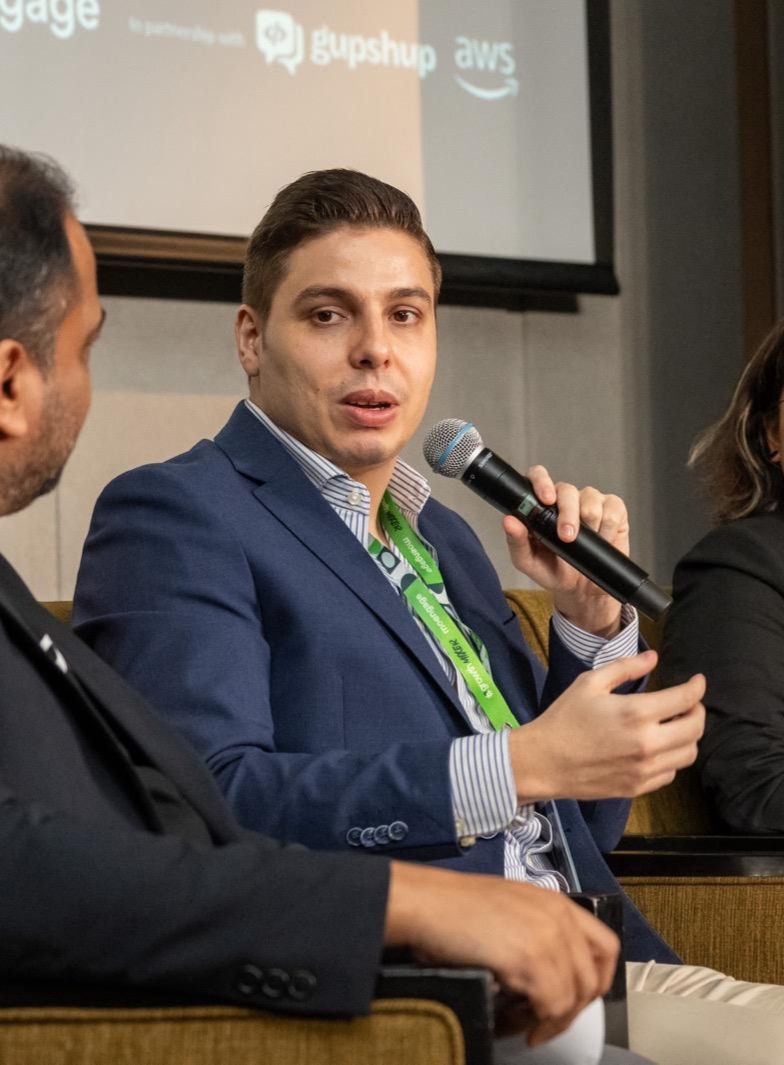
Written by
Rodrigo Maroto
Founder of Consumer Services Hub. Consultant and strategist with 15+ years of experience in ecommerce, digital product management, and consumer services.
View LinkedIn profileIncrease direct bookings
From rate parity to upselling: a practical plan for your booking engine.
Talk to usWhether you're launching a new digital channel, optimizing an existing one, or unlocking the next stage of growth — we're ready to help.
Related articles
How to build a hotel first-party data strategy
Strategy should define the value guests receive in exchange for data, how it is governed and which decisions improve. A loyalty programme that collects data without changing a single decision is just a discount with extra steps.

Upselling and cross-selling strategies for hotels
Strategy should optimise usefulness and margin per stay, not the number of pop-ups. An upsell offered at the wrong moment reads as pressure, not hospitality.

Metasearch strategy for hotel groups
Strategy should optimise price accuracy, deep-link continuity and incremental contribution by hotel. A rate mismatch on metasearch erodes trust faster than any campaign can rebuild it.