A complete guide to hotel ecommerce strategy
Hotel ecommerce strategy should connect demand, distribution, product, experience and operations around direct-channel margin. The test of a good strategy is whether direct margin grows in a way the property can sustain, not how many channels it touches.
Written for: Hotel and group ecommerce, distribution, revenue, marketing, CRM and digital product leaders.
Hotel ecommerce strategy should connect demand, distribution, product, experience and operations around direct-channel margin.
The business problem behind the topic
Hotel ecommerce is often split across website, booking engine, revenue, paid media, metasearch, CRM and reception. When each component is optimised separately, a group can grow direct sales without improving contribution, recurrence or experience. In service businesses, the decision does not end when a customer clicks “buy”: the digital promise must connect with operations, service delivery, data and profitability. This is why the topic should be treated as a business decision rather than an isolated marketing or technology enhancement.
The dimensions that need to be resolved
A sound approach combines four dimensions. Reviewing them separately helps expose friction; managing them as a system allows the direct channel to grow without transferring complexity to customers or the organization.
1. Portfolio, markets and segments
Define the role of each hotel, product and market by proposition, season, booking window, distribution cost and customer value. The analysis should be segmented by property, market, stay purpose, device and lead time. Demand mix can explain changes that an aggregate rate would wrongly attribute to experience.
2. Direct value proposition
Build reasons to book on the website through clarity, flexibility, recognition, services, packages and support, not only discounts. The proposition should become understandable rooms, rates, benefits, content and reassurance. Guests need to know why they should book direct and what they will receive during the stay.
3. Distribution and revenue
Coordinate price, inventory, restrictions, OTAs, metasearch, tour operators and packages. Direct needs competitive access to product and stable rules. The website, booking engine, CRS, PMS, payments, CRM, contact centre and reception should be mapped together. Many digital frictions originate in codes, rules or processes outside the screen.
4. Experience, data and operations
Integrate website, booking engine, PMS, CRM, payments, contact centre and hotel so the commercial promise can be delivered and measured. Governance should align ecommerce, revenue, marketing, distribution and operations. Direct profitability depends on coordinated decisions before and after booking.
A practical roadmap
Sequence matters. Starting with a tool or a feature list usually creates an expensive project that is difficult to govern. The following roadmap forces the business decisions first and the implementation second.
1. Define ambition and economics. Agree channel objective, contribution, markets and boundaries.
2. Diagnose journey and distribution. Review demand, pricing, product, funnel, data and operations.
3. Design the target model. Specify direct proposition, architecture, processes and ownership.
4. Prioritise levers by hotel and market. Combine quick wins, content, CRO, CRM, product and technology.
5. Execute with a commercial cadence. Connect revenue, marketing, ecommerce, operations and leadership.
How to measure whether it works
A useful dashboard does not accumulate indicators: it connects behaviour, economics and execution. Metrics should be reviewed by segment, device, market and journey stage so that averages do not hide the actual problem.
Direct contribution: Net revenue minus media, metasearch, engine, payment, support and benefits.
Website-to-booking conversion: Valid bookings over eligible demand by hotel and market.
Direct channel share: Direct share controlled for availability and mix.
Repeat-direct rate: Customers returning to book direct.
Operational promise delivery: Direct benefits and services delivered correctly.
Common mistakes that reduce impact
Defining strategy as a campaign and discount plan.
Measuring direct without adjusting for availability, hotel or market.
Promising benefits reception cannot identify or deliver.
Choosing technology before agreeing proposition and processes.
The warning sign is simple: if the project can be described only by the name of a platform, a campaign or a redesign, it is probably not yet sufficiently connected to the business outcome.
Conclusion
Hotel strategy turns the direct channel into a commercial and relationship system. The website wins when it offers a competitive product, a trusted experience and better economics than the alternative for specific segments.
Consumer Services Hub helps hotels and groups improve direct-channel profitability through strategy, digital experience and independent technology selection.
Consumer Services Hub - Strategic ecommerce consultancy for B2C service companies
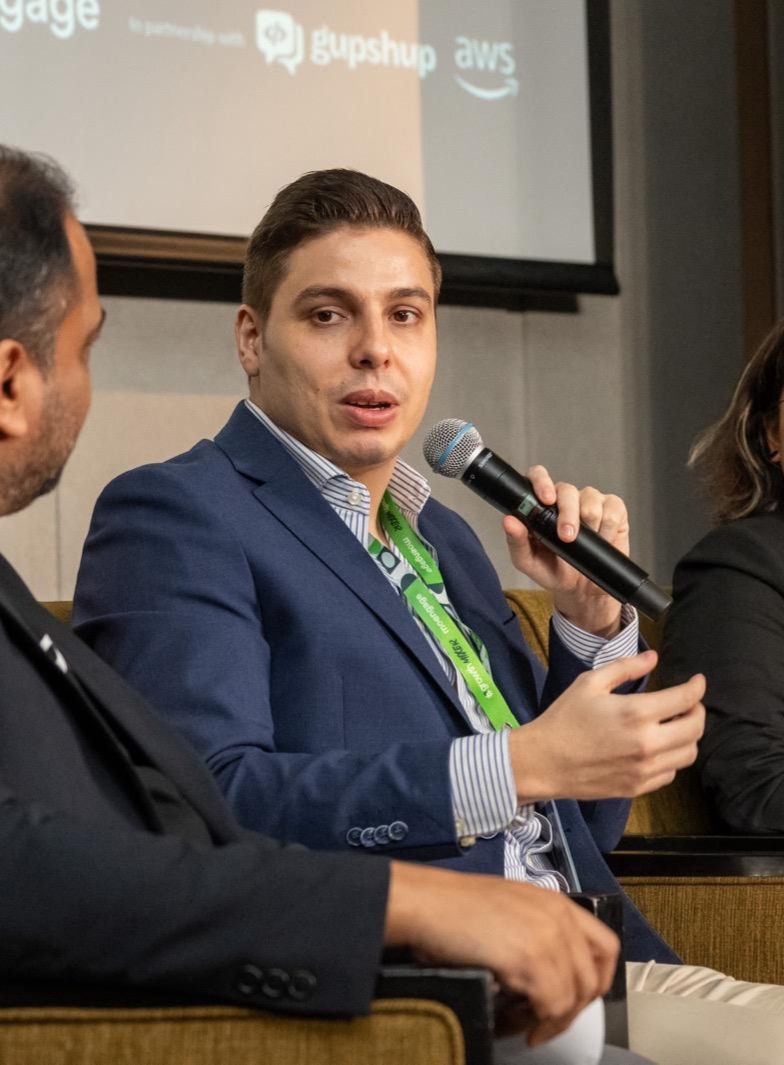
Written by
Rodrigo Maroto
Founder of Consumer Services Hub. Consultant and strategist with 15+ years of experience in ecommerce, digital product management, and consumer services.
View LinkedIn profileIncrease direct bookings
From rate parity to upselling: a practical plan for your booking engine.
Talk to usWhether you're launching a new digital channel, optimizing an existing one, or unlocking the next stage of growth — we're ready to help.
Related articles
How to restore guest recurrence and reduce OTA dependency
Strategy should turn every stay into recognition, permission, value and a concrete reason to return direct. A guest who checks out unrecognised has no reason to skip the OTA next time.
How to integrate website, booking engine, PMS and CRM
Architecture should define sources of truth, events, ownership and recovery before choosing connectors. Adding another connector rarely fixes a system that never agreed on which one holds the truth.
How to build a hotel first-party data strategy
Strategy should define the value guests receive in exchange for data, how it is governed and which decisions improve. A loyalty programme that collects data without changing a single decision is just a discount with extra steps.