Brand hijacking: how to protect direct bookings
In short: When an intermediary bids on your brand and ranks above your site, you pay commission for customers who already chose you. How to measure and win it back.
Written for: Ecommerce, performance marketing and distribution leaders in airlines, hotels and service businesses.
Brand search is the cheapest demand there is; letting someone else capture it means paying commission for a customer who was already yours.
What brand hijacking is
Brand hijacking happens when third parties — OTAs, metasearch, affiliates or resellers — use a brand's name to capture customers who were looking for it directly. The most visible form is bidding on brand terms in search engines, but it also includes ads that imitate the official website, look-alike domains, phone numbers impersonating customer service and third-party listings ranking above the brand's own.
The World Aviation Festival 2026 agenda includes a dedicated session on the growing threat of brand hijacking to airline direct bookings. The problem is identical for hotels and any service business with intermediaries.
Why it matters more than it seems
You pay commission on demand that was already yours
A customer searching for your brand name has made the decision. If they end up booking through an intermediary, the business pays commission and loses the relationship. This is at the heart of calculating the real cost of the direct channel versus Booking.com.
Data and relationship are lost
The intermediated booking arrives without marketing consent, with incomplete data and no chance to sell additional services.
Experience and trust deteriorate
Misleading ads and fake customer service lines generate complaints and fraud that customers attribute to the brand.
How to measure the problem
Own versus third-party share of brand impressions and clicks.
Intermediated bookings from customers who searched for the brand, where partner data allows.
Cost per booking in brand campaigns versus the commission avoided.
Impersonation incidents: domains, phone numbers and ads detected.
Before raising defensive spend, it is worth measuring campaign incrementality: not every paid brand click is incremental.
Levers to win back brand demand
1. Review intermediary contracts. Many clauses allow brand-term bidding to be restricted; enforcing them requires monitoring.
2. Protect brand terms selectively. Bid where there is real competition and pull budget where there is none.
3. Improve the organic result. A fast website with useful content and structured data takes more space on the results page.
4. Give a reason to book direct. Visible benefits, like those discussed when increasing hotel direct bookings, turn brand searches into direct bookings.
5. Monitor impersonation. Look-alike domains, fake ads and phone numbers, with a fast takedown procedure.
Beyond the search engine
Brand demand is also contested on metasearch and, increasingly, in AI assistants. The same logic should apply to metasearch management and to visibility in generative assistants: make sure that when customers ask about your brand, the answer leads to your channel.
Conclusion
Brand hijacking is a silent leak of margin and customer relationship. Measuring it, negotiating with intermediaries and giving visible reasons to book direct is one of the fastest-returning actions in any direct-channel strategy.
Consumer Services Hub helps service businesses protect their brand demand and reduce distribution cost.
Consumer Services Hub - Strategic ecommerce consultancy for B2C service companies
Written by
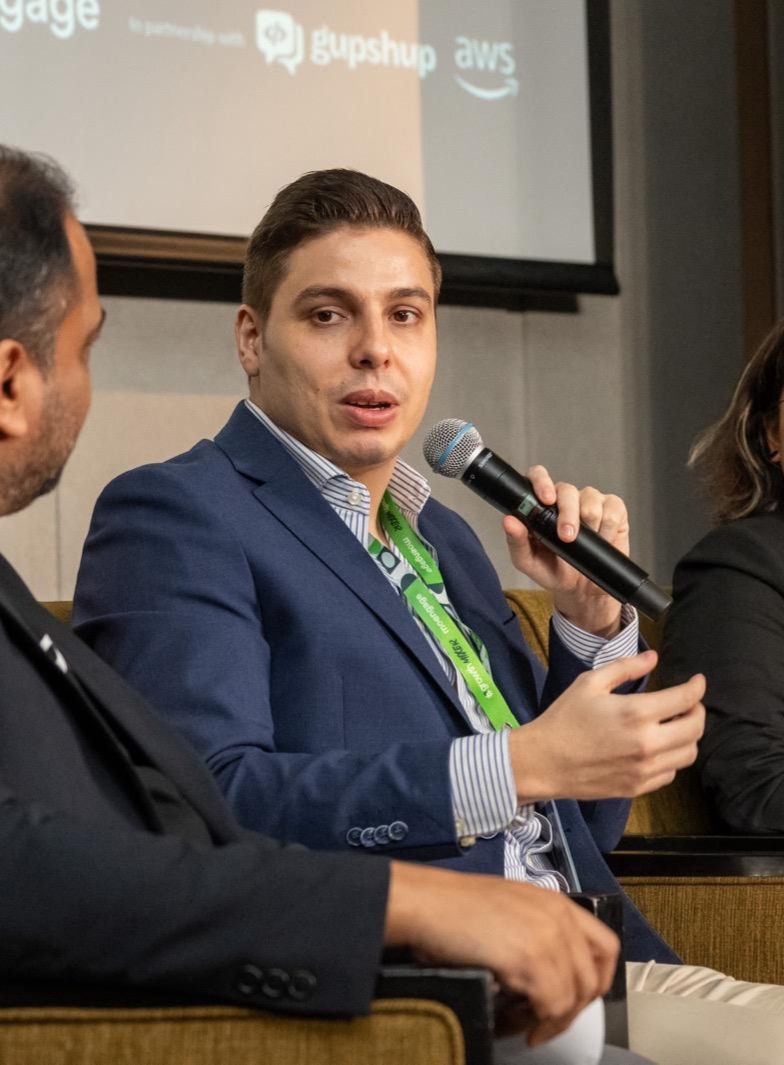
Rodrigo MarotoFounder of Consumer Services Hub. Consultant and strategist with 15+ years of experience in ecommerce, digital product management, and consumer services.
View LinkedIn profileReview your direct channel strategy
A focused session to pressure-test your ecommerce roadmap and priorities.
Book a strategy sessionWhether you're launching a new digital channel, optimizing an existing one, or unlocking the next stage of growth — we're ready to help.
Related articles
How to build a business case for direct-channel transformation
A defensible business case shows current economics, the counterfactual and a range of outcomes rather than one optimistic number. A single number invites a single objection; a range survives the room.
The direct channel business case to present to the board
The board does not approve a channel strategy: it approves a capital allocation with declared risk. A case that only promises to grow the direct channel without saying at whose expense reads as a preference, not an investment.
How to audit a direct sales channel step by step
A good audit reconstructs the economics and the complete customer journey rather than producing a list of issues. What matters is whether the findings change a decision, not how many issues the audit surfaces.