What is a PNR? The story behind this travel technology
The Passenger Name Record (PNR) is the backbone of airline reservations. Understanding its history and evolution reveals why the travel industry operates the way it does.
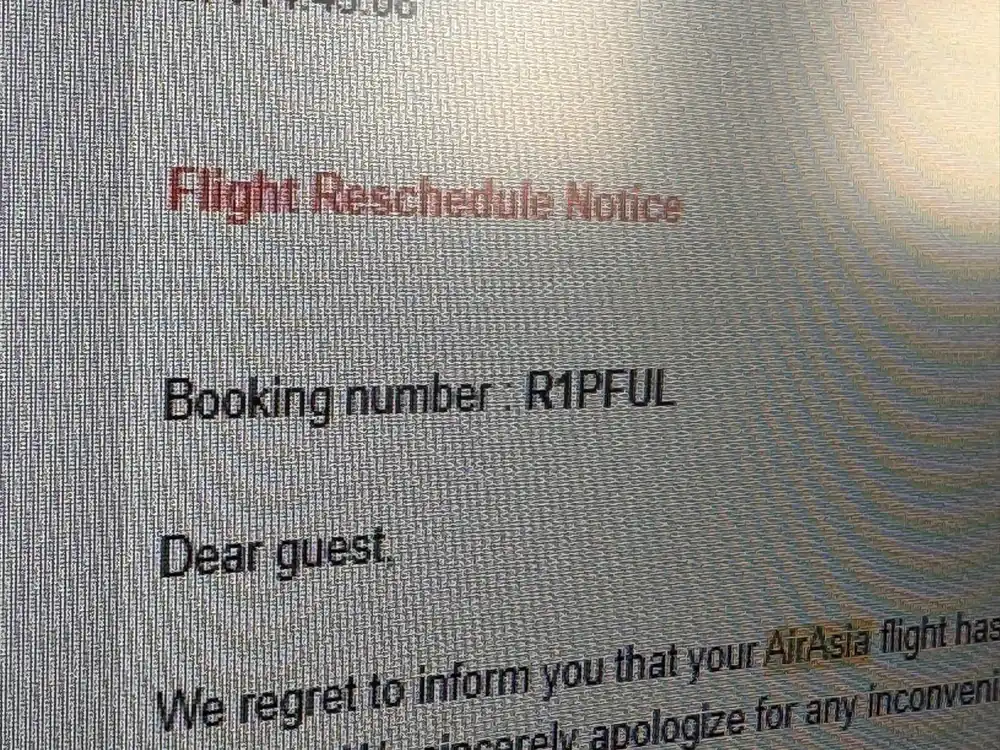
The origins of the PNR
The Passenger Name Record dates back to the 1960s, when airlines first computerized their reservation systems. It was designed as a simple record to track who was booked on which flight.
Over the decades, the PNR evolved from a basic booking reference into a complex data structure that ties together flights, passengers, payments, and services — but its fundamental architecture hasn't changed much since those early days.
It's worth noting that the PNR wasn't built for a single airline at all — it was built for the GDS layer that let multiple airlines, travel agents, and later online booking tools all read and write to the same reservation. That shared-infrastructure origin is why a PNR's data model still looks like a message format from an earlier era of computing: fixed fields, terse codes, and a structure optimized for teletype-era bandwidth rather than for today's web and mobile experiences.
Why the PNR matters for modern e-commerce
Understanding the PNR is crucial for anyone working in airline e-commerce. It's the foundation upon which every booking, modification, and refund is built.
The limitations of the PNR model — its rigid structure, its separation from payment and ticketing records — are exactly what initiatives like ONE Order aim to solve.
As airlines evolve toward retail-style e-commerce, the PNR's role is being reimagined. But its legacy continues to shape how the industry operates today.
A concrete way this shows up: because the PNR, the e-ticket, and any EMDs for ancillaries are separate records, a seemingly simple customer request — 'change my seat and refund the difference' — actually requires coordinated updates across multiple records rather than one. That's a large part of why so many airline websites still route 'simple' changes to a call center rather than handling them instantly online: the underlying data model was never designed for that kind of self-service in the first place.

Written by
Rodrigo Maroto
Founder of Consumer Services Hub. Consultant and strategist with 15+ years of experience in ecommerce, digital product management, and consumer services.
View LinkedIn profileGrow airline direct revenue
We audit booking funnels, ancillaries and retailing capabilities end to end.
Talk to usWhether you're launching a new digital channel, optimizing an existing one, or unlocking the next stage of growth — we're ready to help.
Related articles
How AI agents may reshape airline distribution
Preparation is not about adding a chatbot, but making offers and actions machine-readable, authorisable and auditable. An airline whose offers only a human can parse will be invisible to the agents that book on a traveller's behalf.
Airline metasearch: managing Google Flights, Skyscanner and Kayak
Strategy should optimise offer continuity and incremental contribution by market, not only cost per booking. The cheapest metasearch bid can still deliver the customer the airline would have won anyway.
How to measure the true profitability of an airline direct channel
Direct profitability should be measured as incremental contribution and relationship value, not as the absence of commission. Avoiding a commission is not the same as making money; the two get confused more often than they should.