Direct-channel revenue leakage: how to detect it
In short: More data does not stop you finding lost sales too late. A four-step process to move from data to decision and recover direct-channel revenue.
Written for: Ecommerce, analytics, CRO and customer experience leaders in airlines, hotels and service businesses.
A dashboard nobody uses to decide is not analytics: it is decoration.
Lots of information, few decisions
Service businesses have invested in analytics tools, CDPs, CRM and dashboards. Even so, it is common to discover weeks late that a route, a market or a funnel step is losing sales. The gap between data and decision is still wide.
The World Aviation Festival 2026 devotes several sessions to this gap: closing the data-to-decision gap by detecting revenue leakage, moving from customer experience metrics to meaningful action, data-driven customer decisions at Iberia and building a centralised CRM to take back control of customer data.
Where revenue leaks hide
Booking funnel: steps with abnormal drop-off by device, market or product type.
Payments: declines of legitimate transactions and missing methods.
Price and availability: searches with no results, uncompetitive prices or inventory poorly allocated across channels.
Ancillaries: offers that are not shown or are shown at the wrong moment.
Post-booking: changes and refunds that drift to expensive channels or intermediaries.
Attribution: media spend that does not generate incremental demand, including brand demand captured by intermediaries through brand hijacking.
Why they are not detected in time
Incomplete or inconsistent measurement
If funnel events are not well defined, anomalies get mistaken for noise. The foundation is knowing which events to measure in a booking funnel.
Fragmented data
Sales, experience, customer care and marketing live in different systems. Without a single customer view, each team sees part of the problem.
Reports that describe instead of prioritise
A report showing a hundred metrics does not say which one costs money. Prioritisation requires translating every anomaly into economic impact.
A four-step process
1. Define the indicators that matter. Few, tied to revenue and margin, like the main KPIs of a service ecommerce business.
2. Detect anomalies automatically. Alerts on deviations by segment, not weekly manual reviews.
3. Quantify the impact. Every leak is expressed as revenue lost per day or week.
4. Assign an owner and an action. A leak without an owner does not get fixed; the cycle ends when the effect of the action is measured.
The role of CRM and data technology
Centralising customer data makes it possible to cross digital behaviour, purchases and service contacts. Choosing between CDP, CRM and a customer engagement platform should be driven by the decisions the business wants to make, not by feature lists.
Conclusion
Detecting revenue leakage does not require more data, but a process that connects reliable measurement, prioritisation by economic impact and clear ownership. Organisations that shorten the distance between data and decision recover revenue they do not even know they are losing today.
Consumer Services Hub helps service businesses turn their data into prioritised, measurable commercial decisions.
Consumer Services Hub - Strategic ecommerce consultancy for B2C service companies
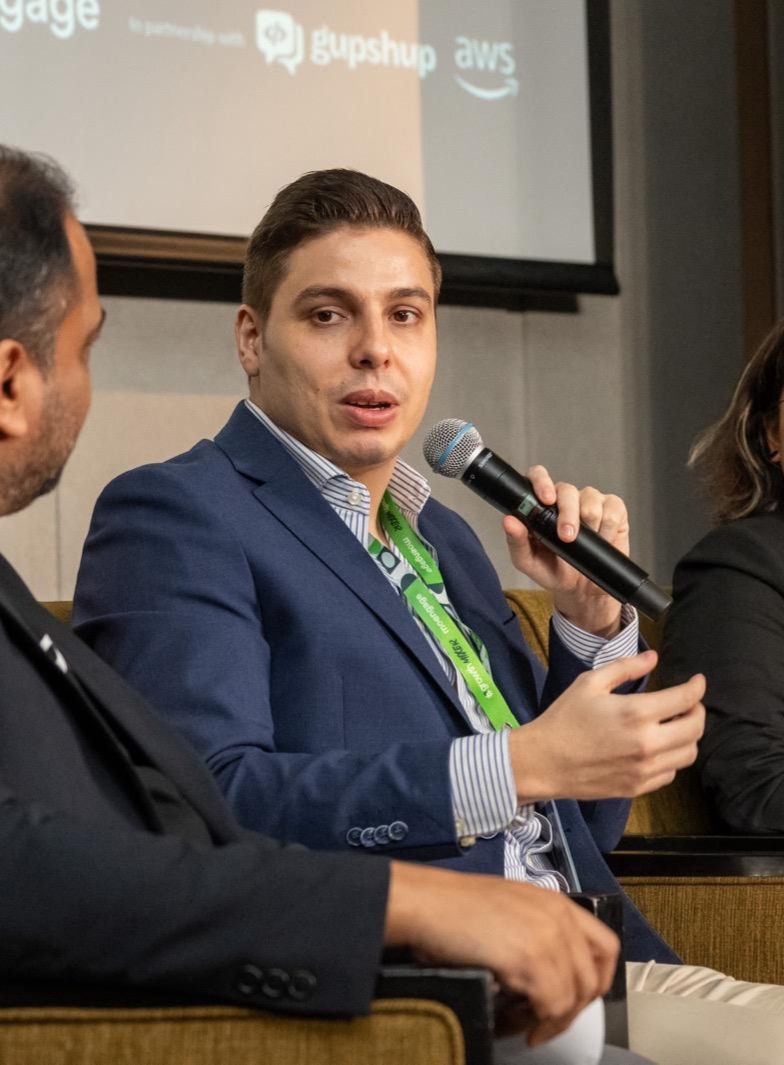
Written by
Rodrigo MarotoFounder of Consumer Services Hub. Consultant and strategist with 15+ years of experience in ecommerce, digital product management, and consumer services.
View LinkedIn profileBuild a conversion programme
Experimentation and personalisation with governance, not one-off tests.
Talk to usWhether you're launching a new digital channel, optimizing an existing one, or unlocking the next stage of growth — we're ready to help.
Related articles
Bots, scraping and look-to-book on travel websites
Scrapers, inventory-holding bots and AI agents distort conversion and inflate costs. How to measure and manage them without hurting real customers.
Wallets, A2A and BNPL: payment methods that convert
Adding payment methods does not lift conversion on its own. Offering what each market expects, approving more and measuring total cost does.
AI agents in customer service: from distribution to servicing
Automating the answer is easy; automating the resolution requires permissions almost nobody has granted. An assistant that can explain the change policy but cannot change the flight has merely moved the wait one step further along.