How to improve hotel booking engine conversion
Optimisation should simplify the decision and protect offer continuity. A test that lifts conversion by breaking rate parity somewhere else isn't really a win.
Written for: Hotel and group ecommerce, distribution, revenue, marketing, CRM and digital product leaders.

Optimisation should simplify the decision and protect offer continuity.
The business problem behind the topic
Booking engine conversion depends on availability, product, price, policies, speed, mobile, payment and trust. A redesign cannot compensate for confusing rooms, unexpected restrictions or a break between website and engine. In service businesses, the decision does not end when a customer clicks “buy”: the digital promise must connect with operations, service delivery, data and profitability. This is why the topic should be treated as a business decision rather than an isolated marketing or technology enhancement.
The dimensions that need to be resolved
A sound approach combines four dimensions. Reviewing them separately helps expose friction; managing them as a system allows the direct channel to grow without transferring complexity to customers or the organization.
1. Search and availability
Preserve dates, occupancy, hotel, promo and context; explain alternatives when availability is missing. The analysis should be segmented by property, market, stay purpose, device and lead time. Demand mix can explain changes that an aggregate rate would wrongly attribute to experience.
2. Product and comparability
Align naming, images, attributes, boards, conditions and differences across rooms and rates. The proposition should become understandable rooms, rates, benefits, content and reassurance. Guests need to know why they should book direct and what they will receive during the stay.
3. Price and trust
Show total, taxes, payments, cancellation, club and benefits without late surprises. The website, booking engine, CRS, PMS, payments, CRM, contact centre and reception should be mapped together. Many digital frictions originate in codes, rules or processes outside the screen.
4. Checkout and payment
Reduce fields, errors and mobile friction, offer relevant methods and clear recovery. Governance should align ecommerce, revenue, marketing, distribution and operations. Direct profitability depends on coordinated decisions before and after booking.
A practical roadmap
Sequence matters. Starting with a tool or a feature list usually creates an expensive project that is difficult to govern. The following roadmap forces the business decisions first and the implementation second.
1. Measure the funnel on eligible searches. Separate no availability from abandonment.
2. Fix content and mapping. Align website, engine, PMS and channel manager.
3. Resolve performance and errors. Prioritise problems that prevent booking.
4. Simplify choice and checkout. Apply research and heuristics.
5. Experiment with guardrails. Observe margin, cancellation and contacts.
How to measure whether it works
A useful dashboard does not accumulate indicators: it connects behaviour, economics and execution. Metrics should be reviewed by segment, device, market and journey stage so that averages do not hide the actual problem.
Available-search conversion: Bookings over searches with sellable product.
Room-to-checkout rate: Selections progressing to details and payment.
Payment completion: Confirmed bookings over valid attempts.
Mobile gap: Controlled conversion difference by device.
Booking quality: Margin, cancellation and contacts from additional sales.
Common mistakes that reduce impact
Optimising sessions without availability.
Changing copy without aligning product naming and conditions.
Hiding price or policies to increase early progression.
Celebrating conversion uplift without evaluating cancellation and margin.
The warning sign is simple: if the project can be described only by the name of a platform, a campaign or a redesign, it is probably not yet sufficiently connected to the business outcome.
Conclusion
Hotel conversion improves when guests understand what they are buying, what it costs and what happens if plans change. Content, revenue, technology and payment should be optimised as one journey.
Consumer Services Hub helps hotels and groups improve direct-channel profitability through strategy, digital experience and independent technology selection.
Consumer Services Hub - Strategic ecommerce consultancy for B2C service companies
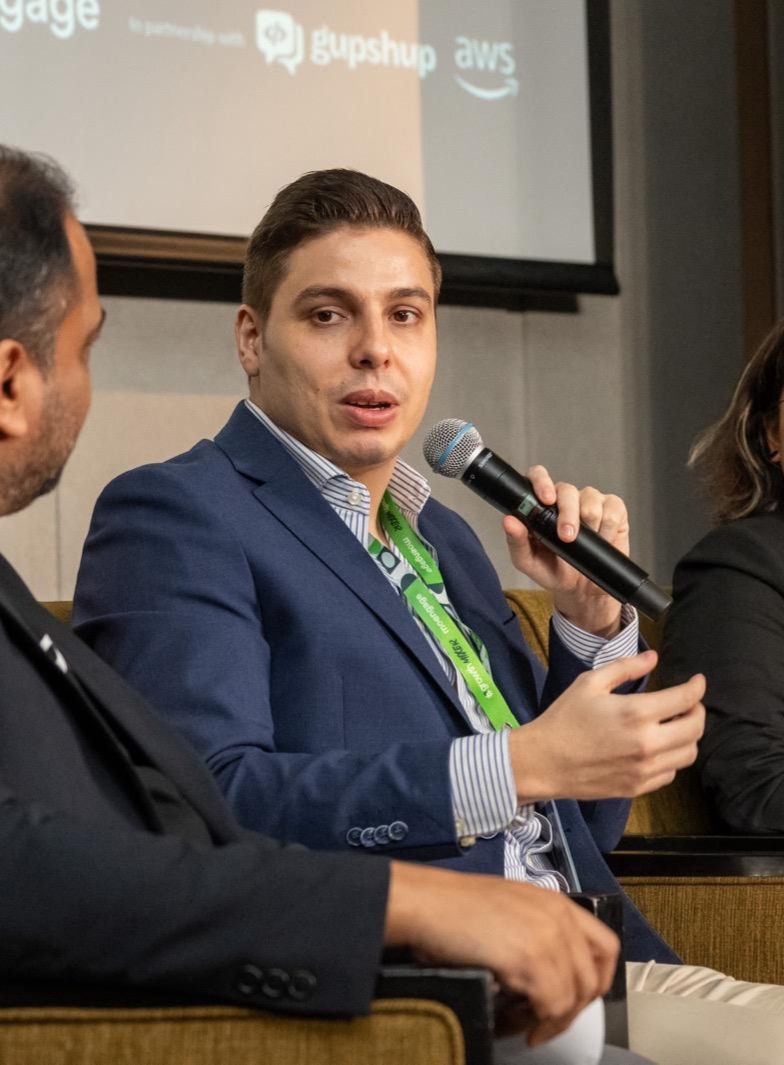
Written by
Rodrigo Maroto
Founder of Consumer Services Hub. Consultant and strategist with 15+ years of experience in ecommerce, digital product management, and consumer services.
View LinkedIn profileIncrease direct bookings
From rate parity to upselling: a practical plan for your booking engine.
Talk to usWhether you're launching a new digital channel, optimizing an existing one, or unlocking the next stage of growth — we're ready to help.
Related articles
How to integrate website, booking engine, PMS and CRM
Architecture should define sources of truth, events, ownership and recovery before choosing connectors. Adding another connector rarely fixes a system that never agreed on which one holds the truth.

Checklist for a hotel booking engine RFP
The RFP should buy evidence and fit, not a list of yes answers. Every vendor will answer 'yes' to a feature question; the checklist exists to make them prove it.
How to choose a hotel booking engine
Selection should start with the commercial model and critical journeys, not a generic vendor ranking. The best engine on paper can still be the wrong one for how this hotel actually sells.