NDC, ONE Order and PNR: differences and how they relate
PNR is a legacy booking record, NDC standardises the exchange of Offers and Orders, and ONE Order modernises fulfilment around a single order. Confusing these three slows down every conversation about what the airline is actually trying to build.
Written for: Airline ecommerce, distribution, digital product, revenue, technology and customer experience leaders.

PNR is a legacy booking record, NDC standardises the exchange of Offers and Orders, and ONE Order modernises fulfilment around a single order.
The business problem behind the topic
PNR, NDC and ONE Order are often discussed as equivalent or competing technologies. In reality, they describe different layers of airline distribution and management, and understanding them prevents incoherent roadmaps. In service businesses, the decision does not end when a customer clicks “buy”: the digital promise must connect with operations, service delivery, data and profitability. This is why the topic should be treated as a business decision rather than an isolated marketing or technology enhancement.
The dimensions that need to be resolved
A sound approach combines four dimensions. Reviewing them separately helps expose friction; managing them as a system allows the direct channel to grow without transferring complexity to customers or the organization.
1. PNR and associated documents
The Passenger Name Record organises booking data but coexists with e-ticket and EMD records for value and services. That fragmentation shapes changes, reconciliation and support. Validation should be segmented by market, route, device, travel mission and passenger type. Network averages can hide very specific offer or experience problems.
2. NDC as a messaging standard
NDC enables rich offers and orders to be exchanged between airlines and sellers. It is not, by itself, an engine, a PSS or a commercial strategy. The decision should translate into offers, pricing, content, terms and a recognisable reason to book direct. Passengers need to perceive value before starting checkout.
3. ONE Order and fulfilment
ONE Order aims to consolidate booking, ticket and ancillary documents into a customer-focused order record, supporting delivery, accounting and servicing. Dependencies across the PSS, IBE, Offer and Order, payments, CRM, airport processes and servicing should be mapped. A local improvement can fail when it crosses the rest of the journey.
4. Offer and Order as the target model
NDC and ONE Order are complementary enablers of Modern Airline Retailing. Transition requires processes, architecture, partners and operations, not only XML messages. Governance should connect ecommerce, revenue, distribution, product, technology and operations through shared economic metrics. Otherwise, each function pushes the problem to the next stage.
A practical roadmap
Sequence matters. Starting with a tool or a feature list usually creates an expensive project that is difficult to govern. The following roadmap forces the business decisions first and the implementation second.
1. Map the current landscape. Identify PSS, GDS, NDC, tickets, EMDs, accounting and servicing.
2. Define business use cases. Prioritise offers, bundles, sellers, servicing or fulfilment that require modernisation.
3. Design transition architecture. Agree coexistence, source of truth, APIs and reconciliation.
4. Validate with real journeys. Test sales, changes, refunds, disruption, interline and delivery.
5. Scale with standards and governance. Manage versions, certification, partners and operations.
How to measure whether it works
A useful dashboard does not accumulate indicators: it connects behaviour, economics and execution. Metrics should be reviewed by segment, device, market and journey stage so that averages do not hide the actual problem.
Offer coverage: Products and markets available through modern messages.
Order lifecycle coverage: States and services supported from creation through fulfilment.
Document reduction: Processes with reduced dependency on fragmented PNR, ticket or EMD records.
Servicing success: Changes and refunds completed without manual reconciliation.
Partner interoperability: Sellers and providers able to process the target model.
Common mistakes that reduce impact
Presenting NDC as a direct replacement for the PNR.
Reducing ONE Order to a technical format change.
Designing only the sales happy path.
Promising immediate retirement of legacy systems without coexistence.
The warning sign is simple: if the project can be described only by the name of a platform, a campaign or a redesign, it is probably not yet sufficiently connected to the business outcome.
Conclusion
The relationship matters more than isolated definitions. NDC supports distribution of Offers and Orders; ONE Order structures fulfilment and lifecycle; the PNR represents part of the legacy model with which the industry will coexist during transition.
Consumer Services Hub helps airlines connect commercial strategy, booking experience, distribution and technology to grow the direct channel.
Consumer Services Hub - Strategic ecommerce consultancy for B2C service companies

Written by
Rodrigo Maroto
Founder of Consumer Services Hub. Consultant and strategist with 15+ years of experience in ecommerce, digital product management, and consumer services.
View LinkedIn profileGrow airline direct revenue
We audit booking funnels, ancillaries and retailing capabilities end to end.
Talk to usWhether you're launching a new digital channel, optimizing an existing one, or unlocking the next stage of growth — we're ready to help.
Related articles

How to prepare a ONE Order implementation roadmap
Transition should be organised around use cases and order-lifecycle capabilities rather than an abstract date for replacing the PNR. A roadmap built around a deadline instead of a capability tends to slip the deadline anyway.
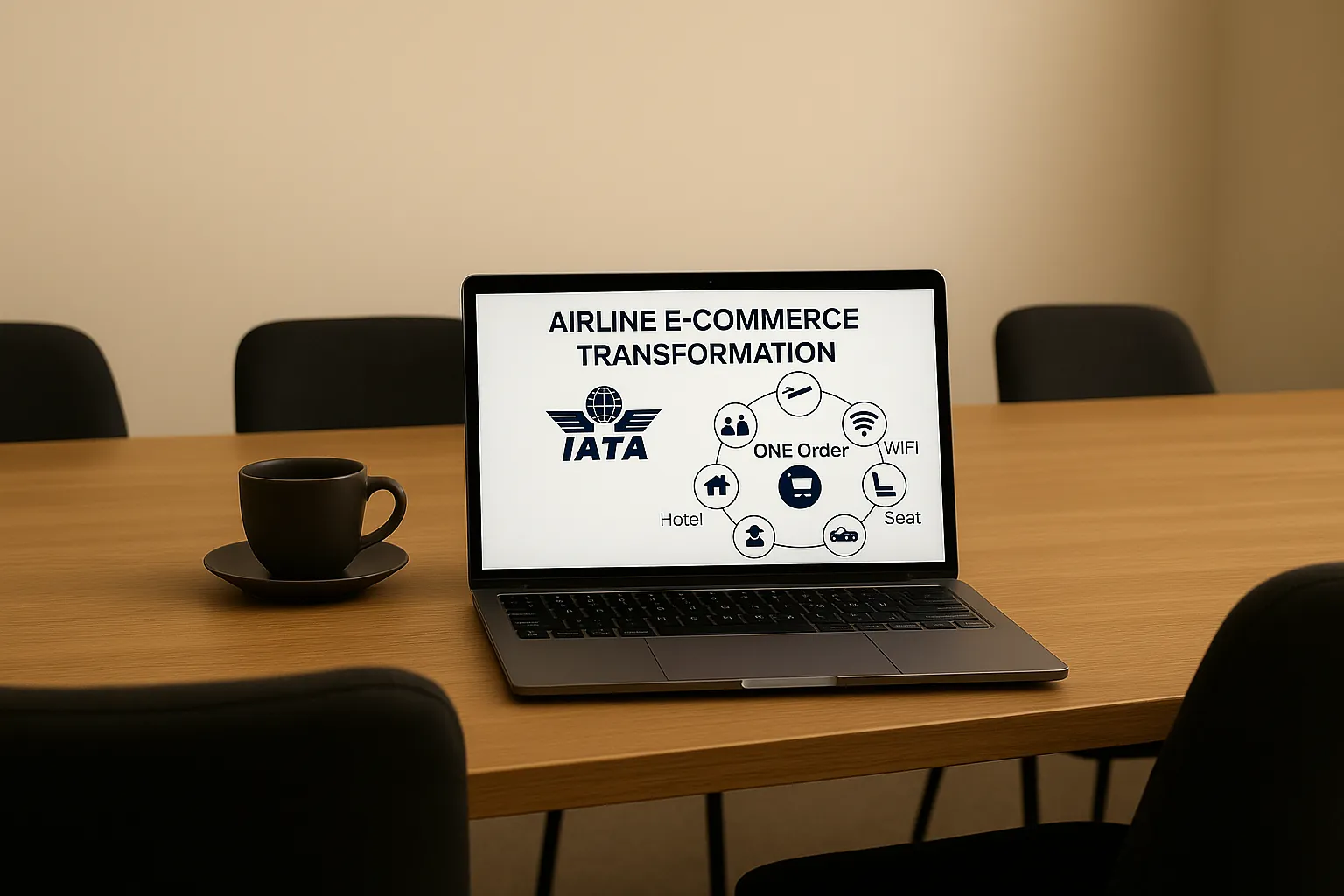
How ONE Order will impact airline ecommerce
ONE Order will change how airlines manage bookings, payments and service. Understanding its impact on ecommerce is critical before migration starts.
Is your airline ready for the ONE Order revolution?
The ONE Order revolution is coming and airlines must prepare now. This readiness assessment helps you understand where your airline really stands.