The big lie about attribution models
Do you know where your marketing dollars are going? Spoiler alert: you probably don't. Teams make critical decisions about where to invest millions based on data that isn't even well-defined.
Decoding the attribution puzzle: why your metrics might be lying to you
Do you know where your marketing dollars are going? Because… spoiler alert: you probably don't.
I've spent over 15 years working with service and ecommerce companies, and there's a pattern that repeats itself every single time. Teams make critical decisions about where to invest millions based on data that isn't even well-defined or agreed upon. It's like flying blind.
The problem isn't necessarily that you can't measure. It's that the way you're doing it could be skewed from the start.
The problem: when measurement gets too easy
Here's the thing: when you set up a new web project, the most natural move is to implement Google Analytics. It's free, it's everywhere, and… well, everyone uses it. That should be enough, right?
Not quite. That "costs nothing" tag comes with a hidden price tag. Google Analytics is limited, it does data sampling (especially when you've got volume), and here's what matters: the attribution models you can use are practically zero.
Sure, there are alternatives. Mixpanel, Simple analytics, Amplitude, Contentsquare… the market is packed with options. But convincing the person holding the budget to pay for a tool when they've got a free one is… tough.
The real problem: last click and its lies
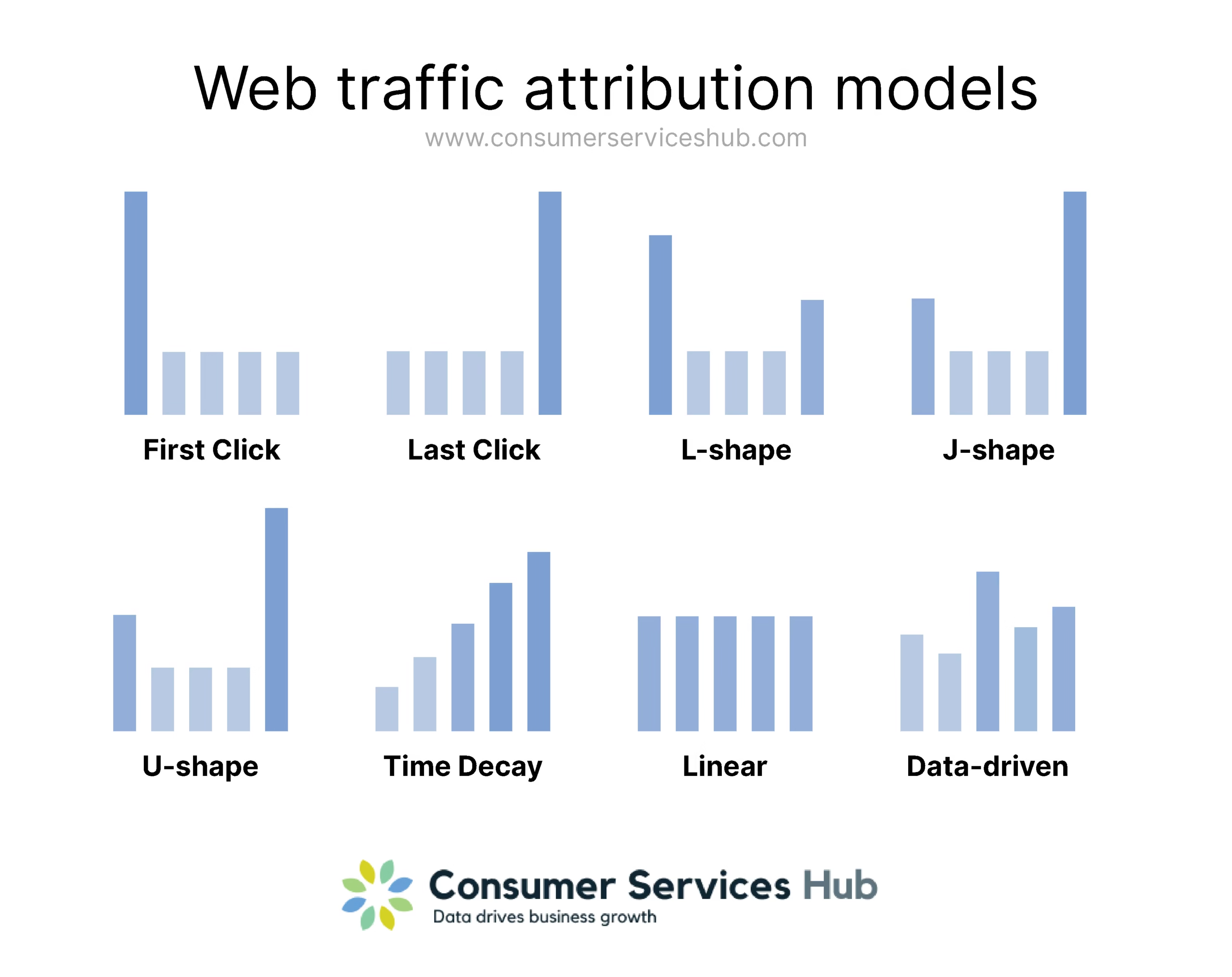
Usually, setting up attribution models is treated like a simple administrative task. Check the box, pick whatever comes first, done. And what usually happens is everyone falls into the last click trap.
Suddenly, uncomfortable questions start showing up in meetings: Why are we cutting social media ads spend? Why does SEO convert so well? Where is all that direct traffic coming from?
And then it hits you: the model was wrong. The user hit multiple touchpoints before converting. Every single point of contact mattered.
How to solve the attribution model
First: verify that your traffic is being measured correctly. Match your transaction data against your analytics tool. Look for at least a 95% match rate.
Second: build consensus across your company. Bring together marketing, product, leadership. Total transparency.
Third: understand that no universal model exists. In my experience, a model that works well: 40% of credit to the first click, 20% to the last one, and the remaining 40% spread across all the other touchpoints.
The result? Smarter decisions, better-allocated budgets, and fewer circular conversations around the table.

Written by
Rodrigo Maroto
Founder of Consumer Services Hub. Consultant and strategist with 15+ years of experience in ecommerce, digital product management, and consumer services.
View LinkedIn profileBuild a conversion programme
Experimentation and personalisation with governance, not one-off tests.
Talk to usWhether you're launching a new digital channel, optimizing an existing one, or unlocking the next stage of growth — we're ready to help.
Related articles

The most common ecommerce attribution mistakes
Attribution describes journeys; incrementality determines how much value an investment created. Confusing the two leads teams to defend spend that never changed a customer's decision.
The invisible engine that turns data into sales
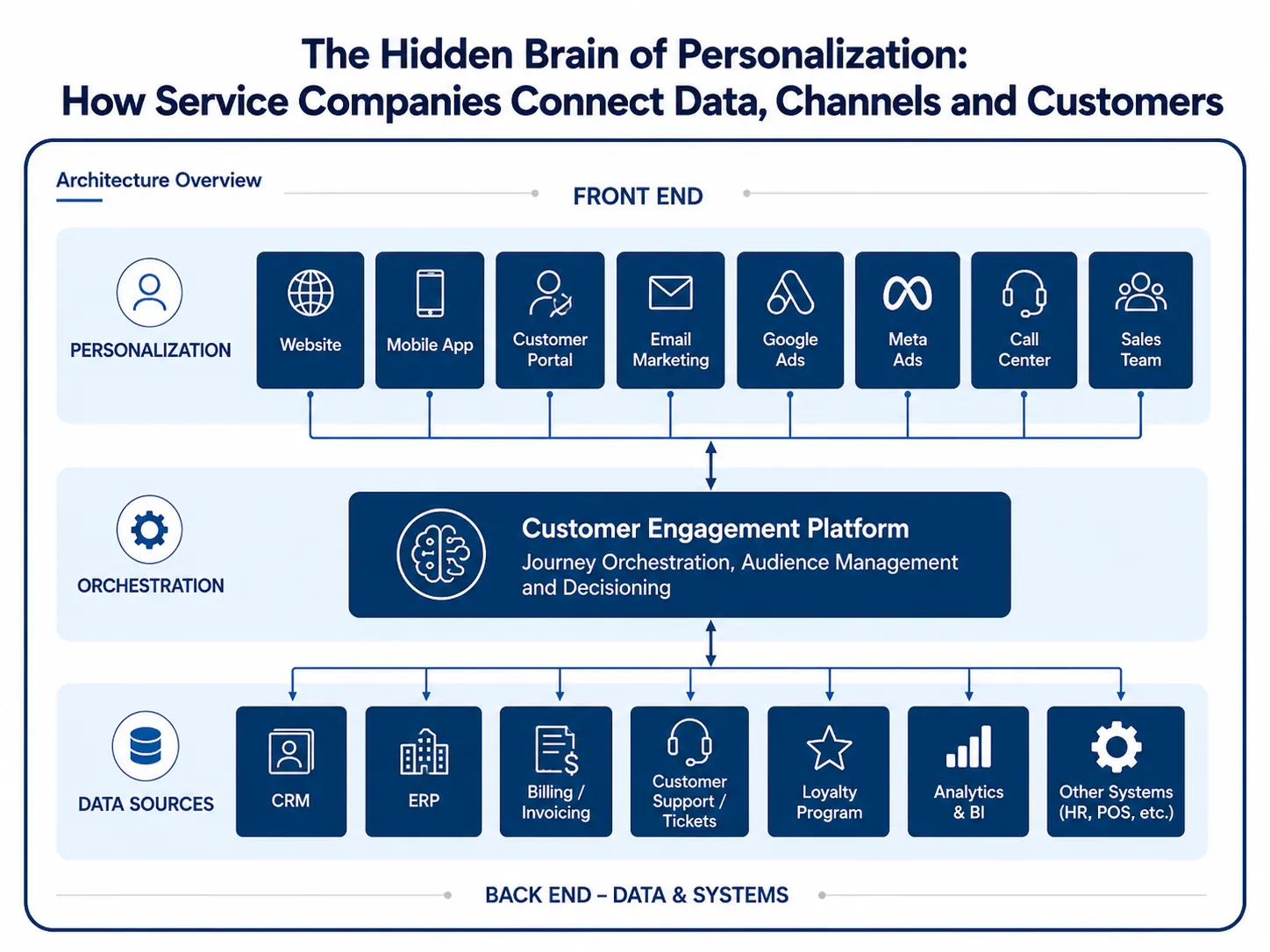
How to choose a customer engagement and personalization platform based on the size and maturity of your ecommerce. Companies don't need more campaigns: they need a layer able to turn scattered data into relevant decisions for each customer, in each channel, at the right moment.

AI agents in customer service: from distribution to servicing
Automating the answer is easy; automating the resolution requires permissions almost nobody has granted. An assistant that can explain the change policy but cannot change the flight has merely moved the wait one step further along.